Shaybani‑period Trade Domes

Short Historical Overview
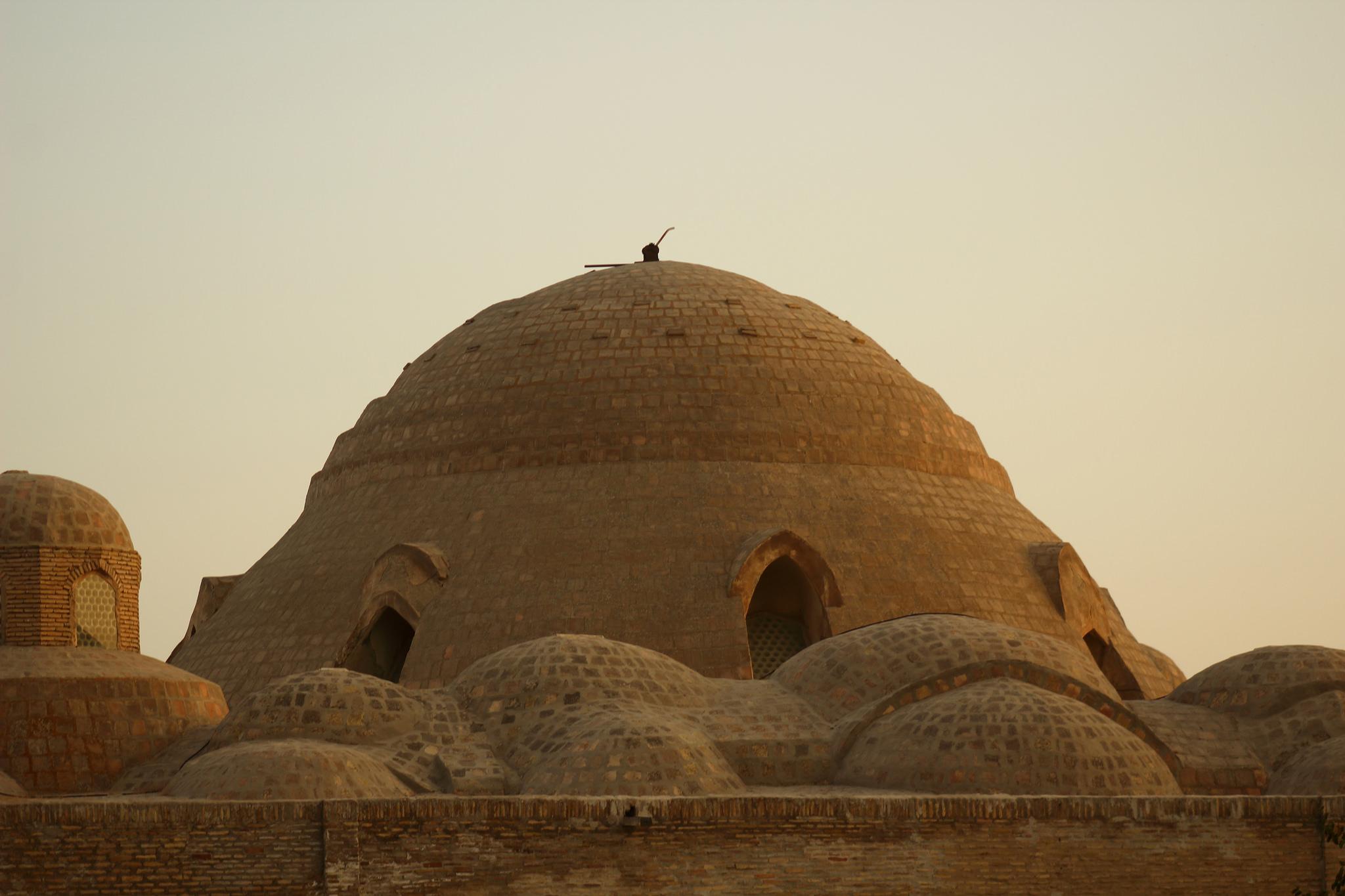
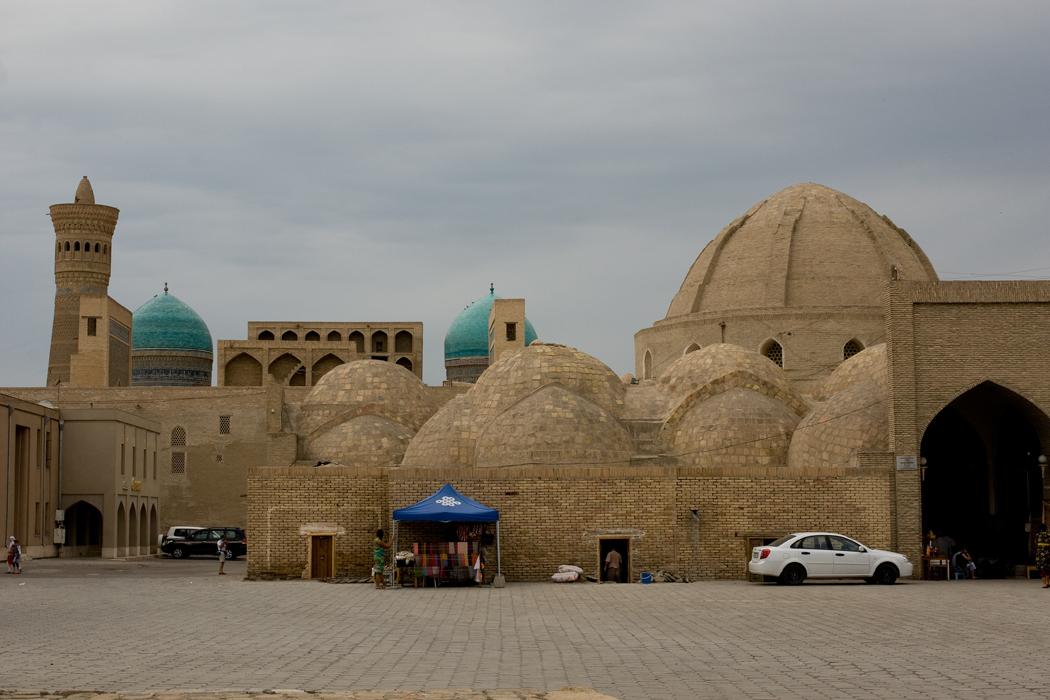
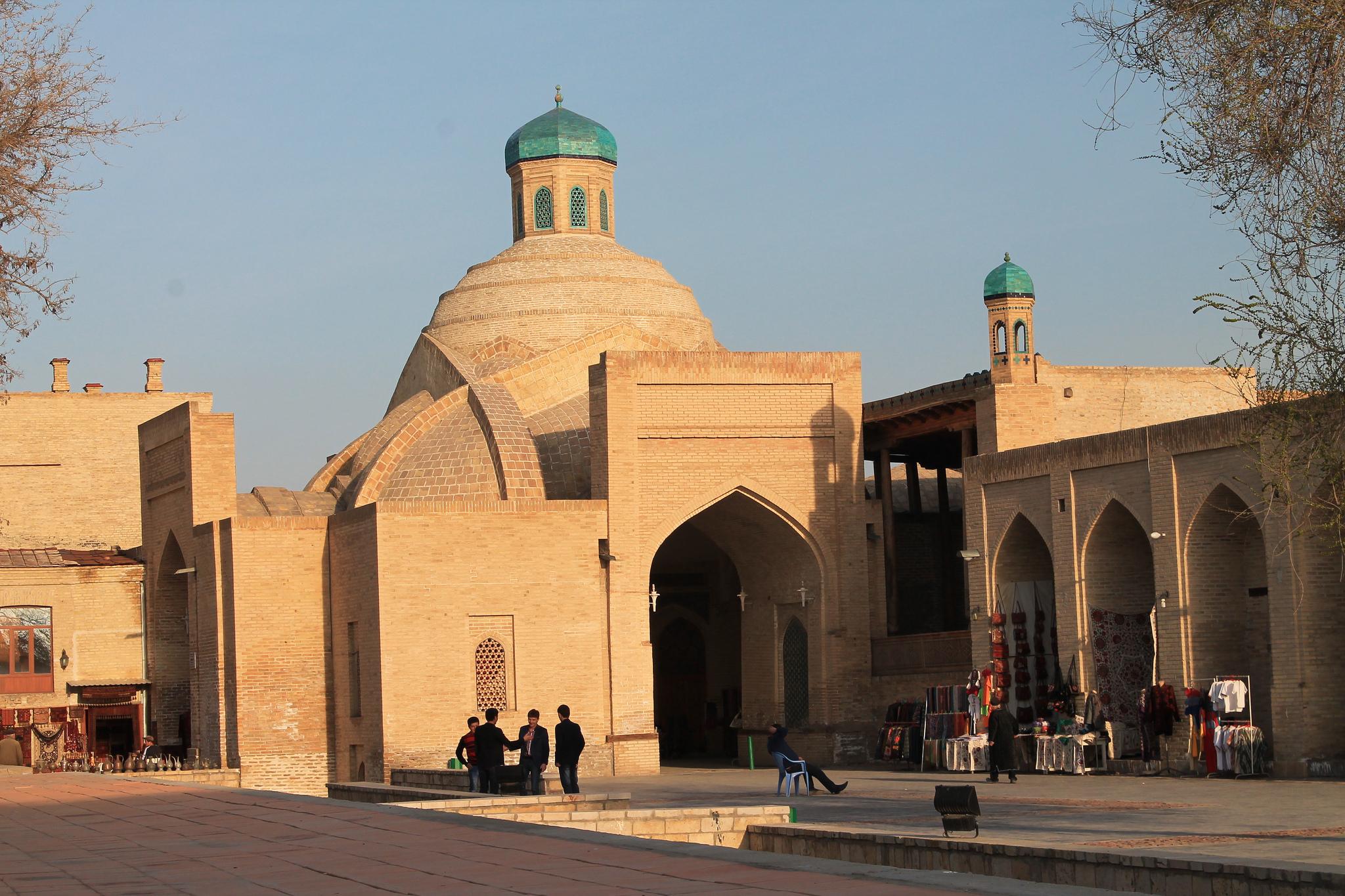
The Trade Domes of Bukhara were built during the early 16th century under the Shaybanid dynasty, after they made Bukhara their capital. These domes—Toqi Sarrafon, Toqi Telpak Furushon, Tim Abdulla, and Toqi Zargaron—were more than just marketplaces. Each was specialized: for moneychangers, cap sellers, carpet sellers, or jewelers. Built where caravan roads crossed, they turned Bukhara into a hub of international trade, connecting China, Persia, and the Middle East. The domes weren’t just for business—they were places to talk, rest, and share news.
Structural Insights
Each trade dome is shaped like a crossroad, with arched entrances on all sides and a high central dome for light and air. Shops are built into the thick brick walls, keeping them cool in summer and warm in winter. The domes aren't flashy like madrasahs—they're practical, strong, and smartly designed. Small side domes and passageways branch out from the main hall, creating a calm, maze-like atmosphere where people could browse and bargain without the harsh sun. These structures used local bricks and clever ventilation, proving that good design doesn’t always need decoration—it just needs to work beautifully.
Fun Fact
These domes were economic engines, cultural crossroads, and architectural marvels that shaped Bukhara’s identity.