Magok‑i‑Kurpa Mosque

Short Historical Overview
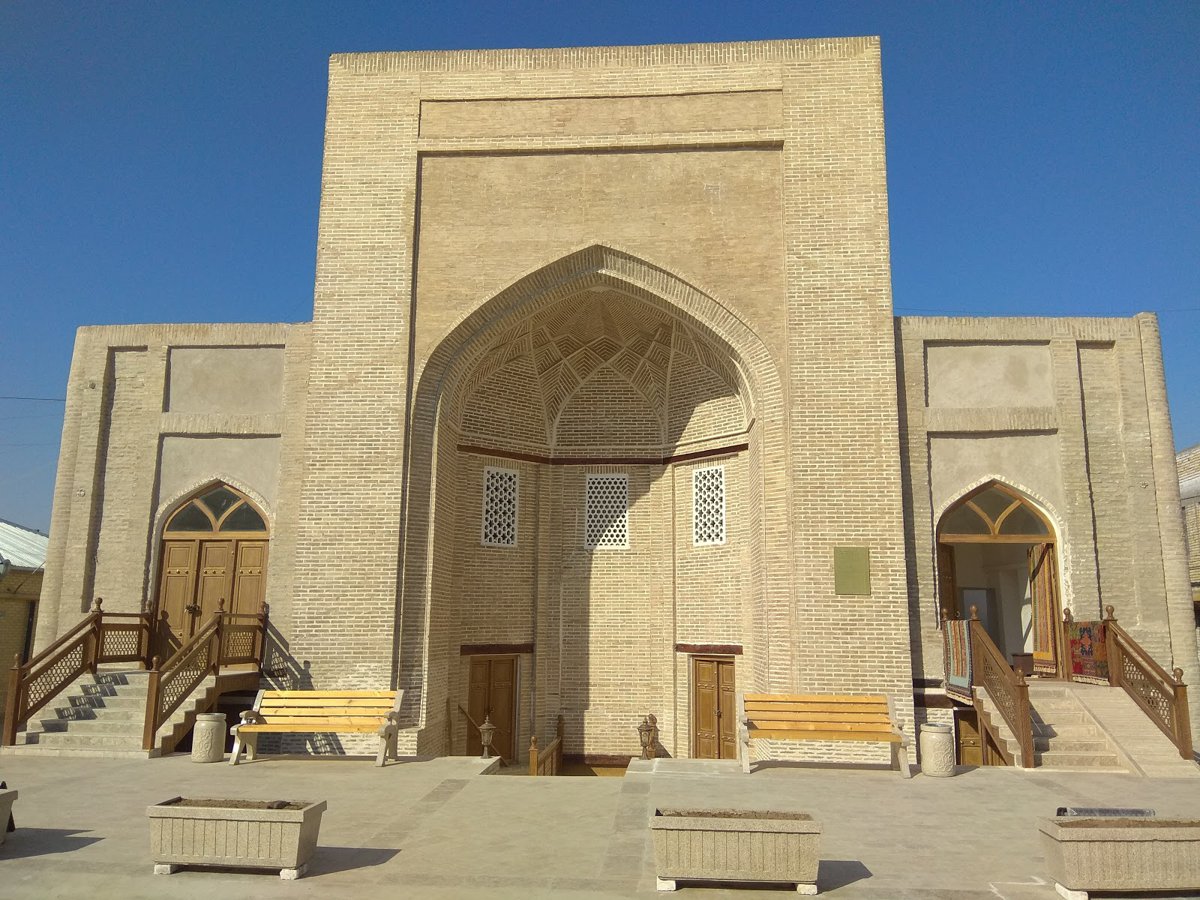
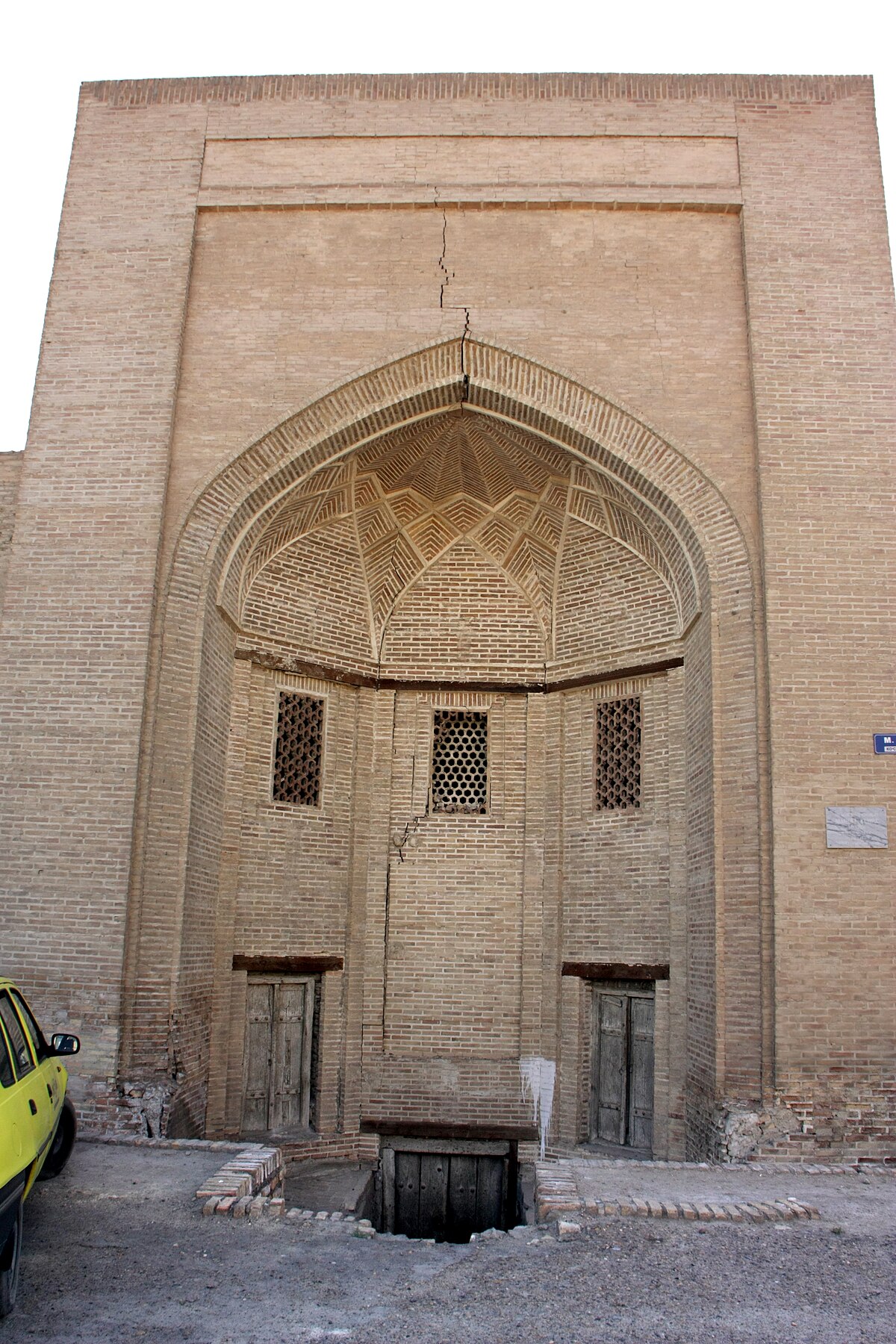
Built in the 17th century, the Magok-i-Kurpa Mosque is a lesser-known gem in Bukhara, named after the felt (kurpa) sellers who traded nearby. Unlike its older counterpart, Magok-i-Attari, this mosque served as a neighborhood prayer house rather than a grand monument. It reflects the late medieval period’s modest yet elegant architecture, catering to local merchants and artisans. Though small, it played a vital role in daily religious life, embodying Bukhara’s tradition of community-focused mosques tucked into the labyrinthine Old Town.
Structural Insights
The mosque features a compact, rectangular layout with a simple yet harmonious design. Its brick façade includes a small portal with minimal decoration, typical of 17th-century Bukharan vernacular architecture. The interior has a single-domed prayer hall with a mihrab adorned with floral motifs. The use of baked brick and wooden beams ensures structural stability. Unlike grand madrasas, its modest scale highlights functional, everyday Islamic architecture. The mosque’s slightly sunken entrance suggests adaptation to Bukhara’s rising street levels over centuries, a common trait in the city’s historic buildings.
Fun Fact
The name of the monument, in translation, means “The depression in the bazaar markets.”