Govkushon Madrasa & Mosque

Short Historical Overview
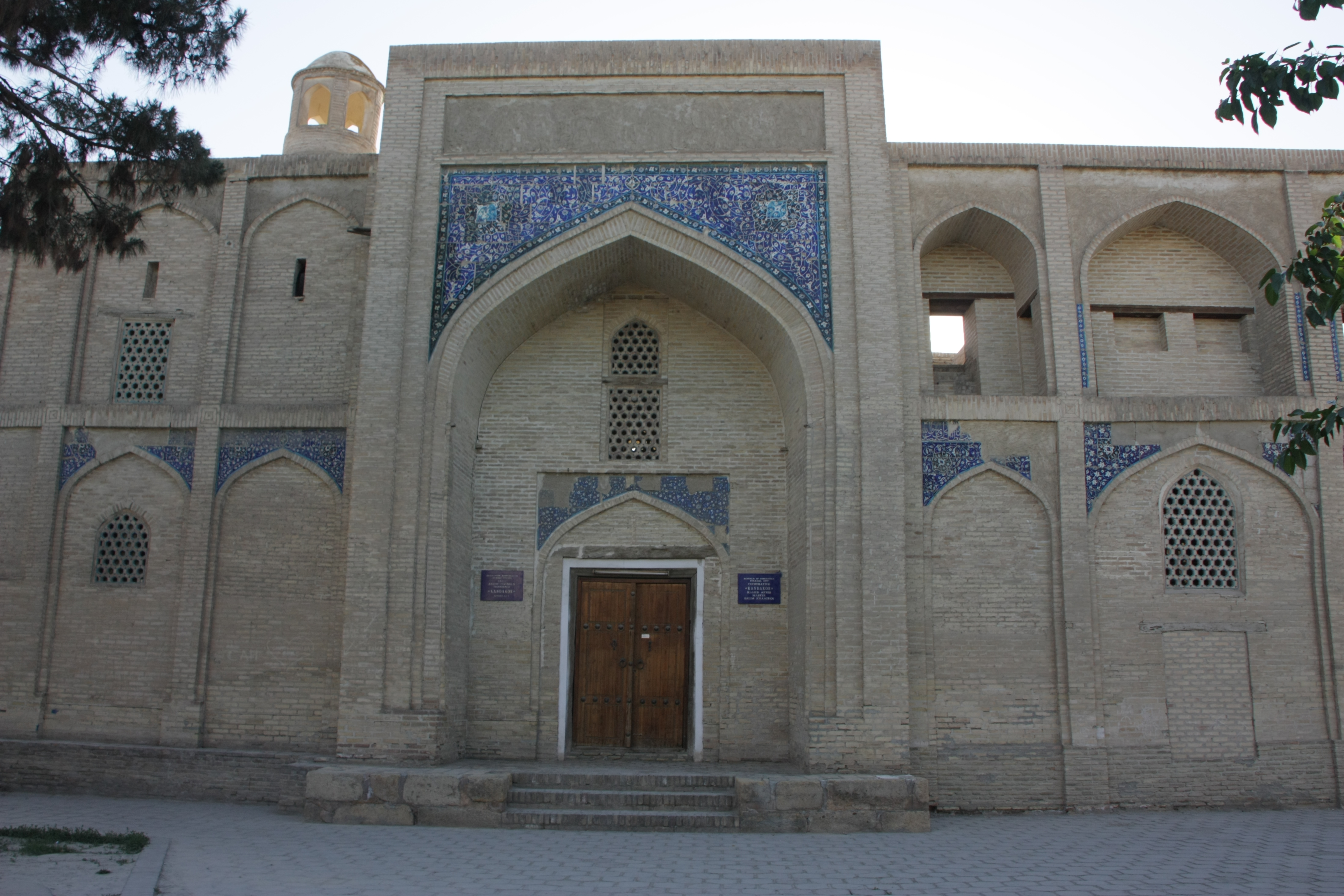
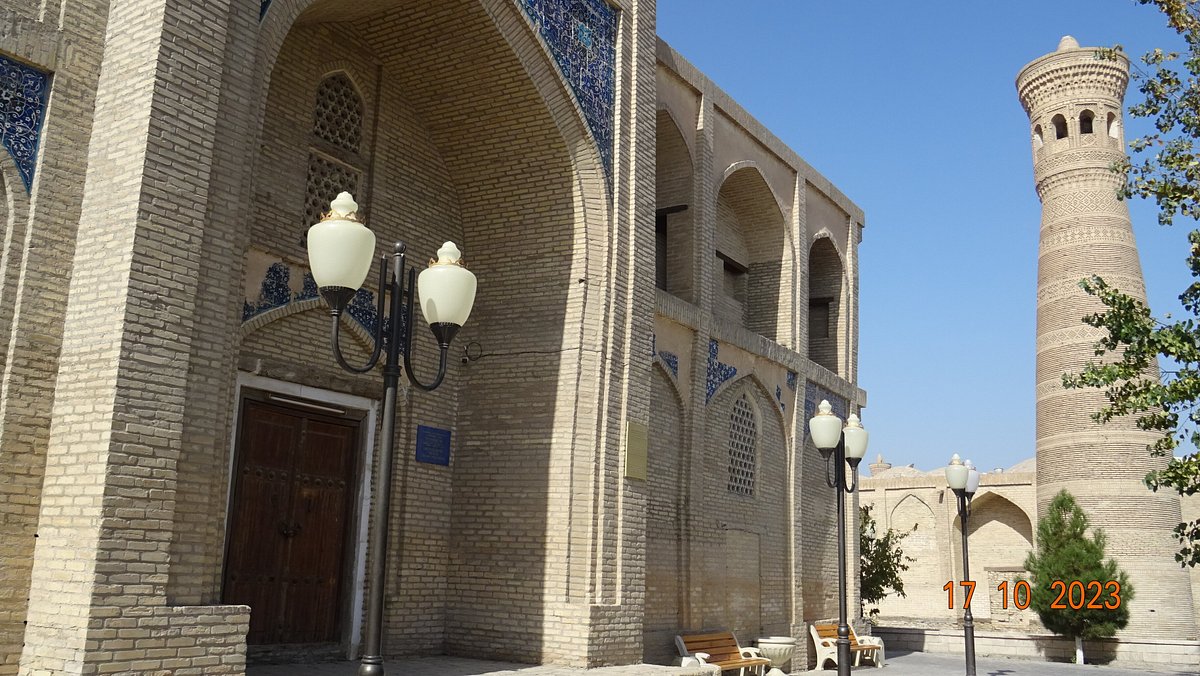
The Gaukushon Ensemble, which includes a mosque and madrasah, was built in the 16th century under the rule of the Sheibanid dynasty, during the reign of Abdullah Khan II. The name “Gaukushon” means “place of bull slaughter,” as the area was once a livestock market and slaughteryard. When Bukhara became the capital, the khans decided to replace the noisy bazaar with a place of worship and learning—transforming a space of chaos into one of calm. The mosque served for Friday prayers, while the madrasah trained religious scholars, helping solidify Bukhara’s role as a major Islamic learning center.
Structural Insights
The Gaukushon Mosque and Madrasah are built in a harmonious, rectangular layout, with a spacious courtyard in between. The mosque’s minaret is one of the tallest in Bukhara after the Kalyan Minaret, helping call worshippers across the city. The buildings are made from baked brick, with decoration typical for the 16th century. Instead of elaborate tilework, the focus is on symmetry, balance, and clarity. The prayer hall is cool and shaded, while the madrasah features student rooms and lecture spaces. Together, they reflect practical elegance — strong, useful, and spiritual without unnecessary flash, much like the city’s character at the time.
Fun Fact
Visitors often reflect on the symbolic transformation: a place once used for slaughter evolving into a spiritual and educational heart of the city.