Chor Minor

Short Historical Overview
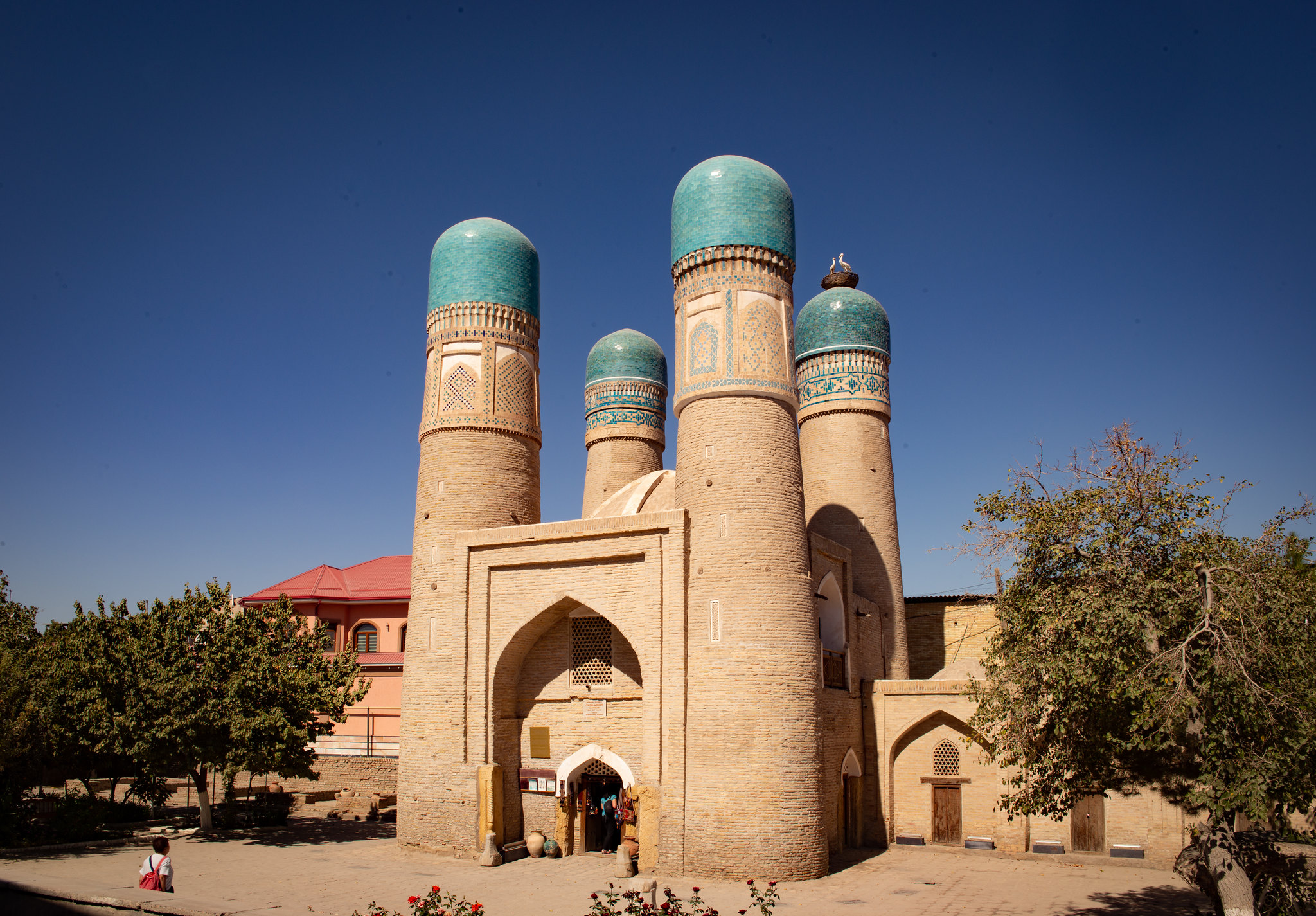
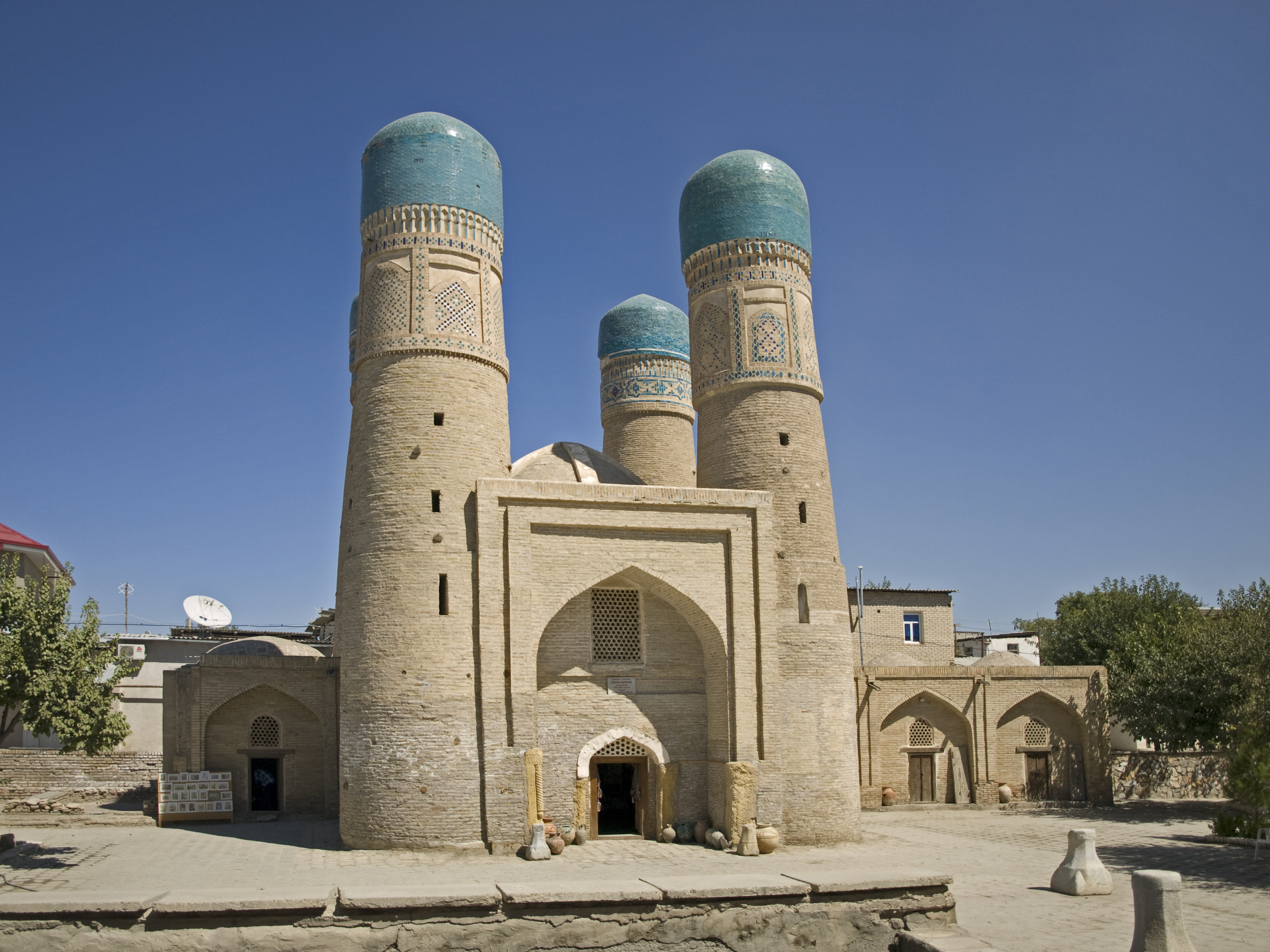
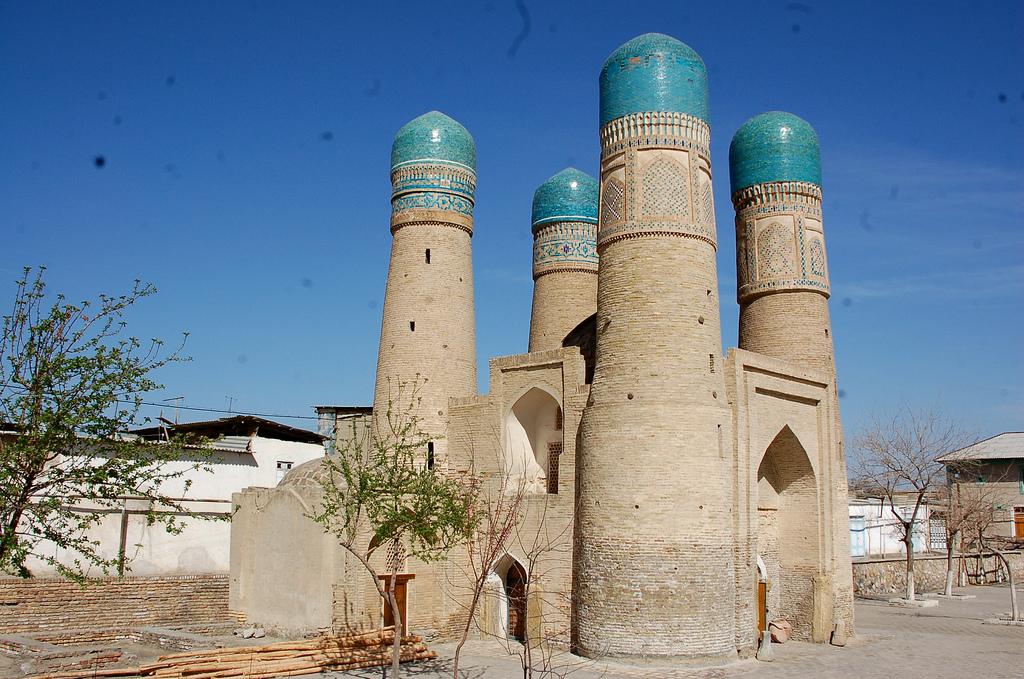
Built in 1807 by Khalif Niyazkul, a wealthy Turkmen merchant, Chor Minor (“Four Minarets”) is one of Bukhara’s most whimsical landmarks. Unlike traditional madrasas, it served as a gatehouse to a now-vanished complex. Its unique design blends Central Asian, Persian, and Indian influences, possibly inspired by Niyazkul’s travels. Though small, it became a symbol of Bukhara’s eclectic architectural spirit. The structure survived Soviet-era neglect and was restored in the 1990s. Today, it stands as a charming oddity, capturing the imagination of visitors with its fairytale-like appearance and mysterious origins.
Structural Insights
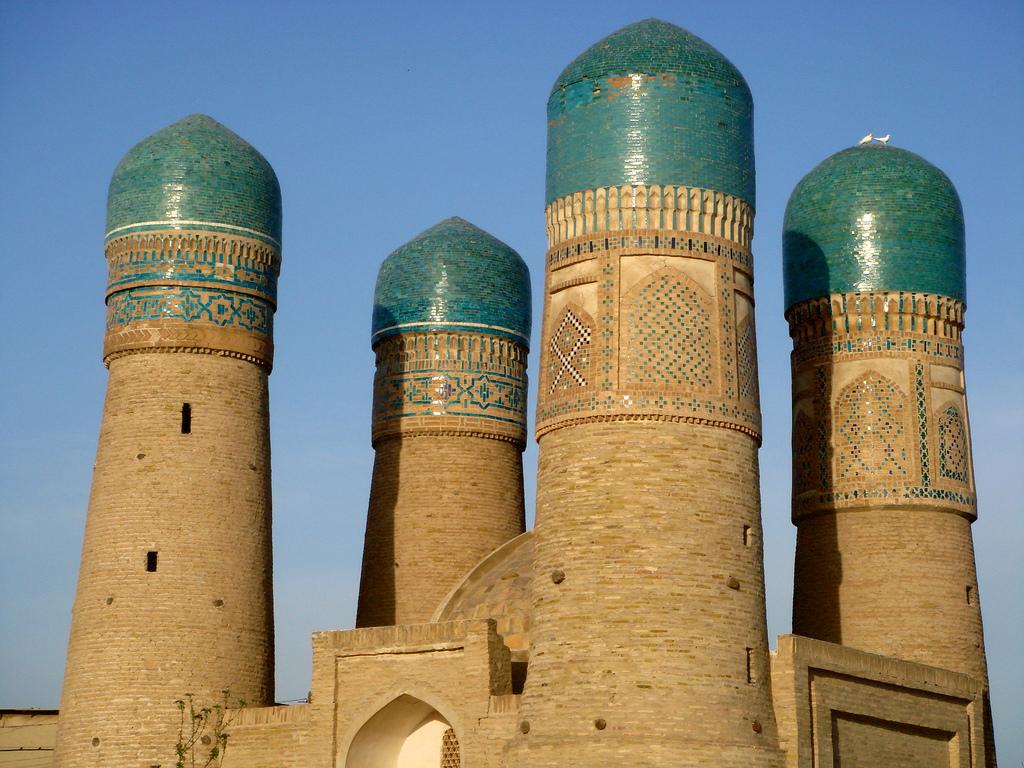
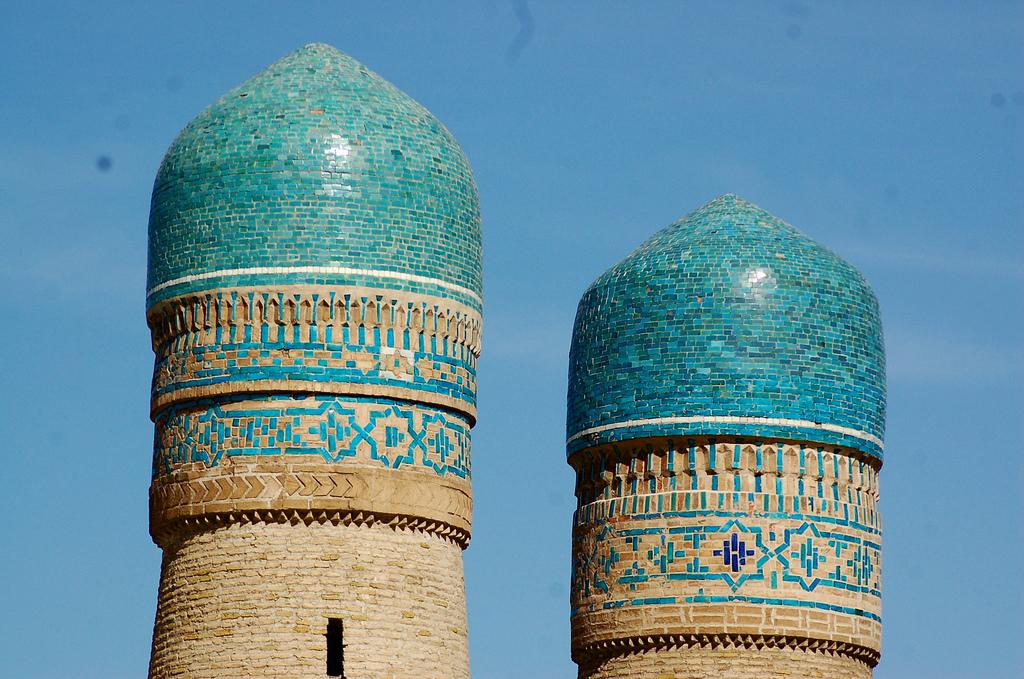
Chor Minor’s four turquoise-domed towers (only two are true minarets) rise from a square base, each decorated with unique tile patterns symbolizing different religions or philosophies. The central dome covers a small prayer room. The towers’ hollow interiors have narrow staircases, but only one leads to a viewpoint. The brickwork is adorned with geometric and floral motifs, while the colored tiles reflect 19th-century Bukharan craftsmanship. Despite its ornamental appearance, the structure is sturdy, with thick walls and balanced proportions. Its unconventional design makes it a fascinating departure from traditional Islamic architecture.
Fun Fact
The legend says that each minaret was dedicated to one of the merchant’s daughters. Thus, the decoration of each tower differs, representing four daughters’ personalities.